Why businesses use We Clear Homes
Retained assets kept aside
We work from a clear brief, so business items staying on site are separated from removals.
Scope matched to the site
The plan reflects access, building layout, volume and the type of commercial contents involved.
Useful handover support
A cleared premises is easier for landlords, agents, incoming occupiers or fit-out teams to access.
Help when a business space needs clearing properly
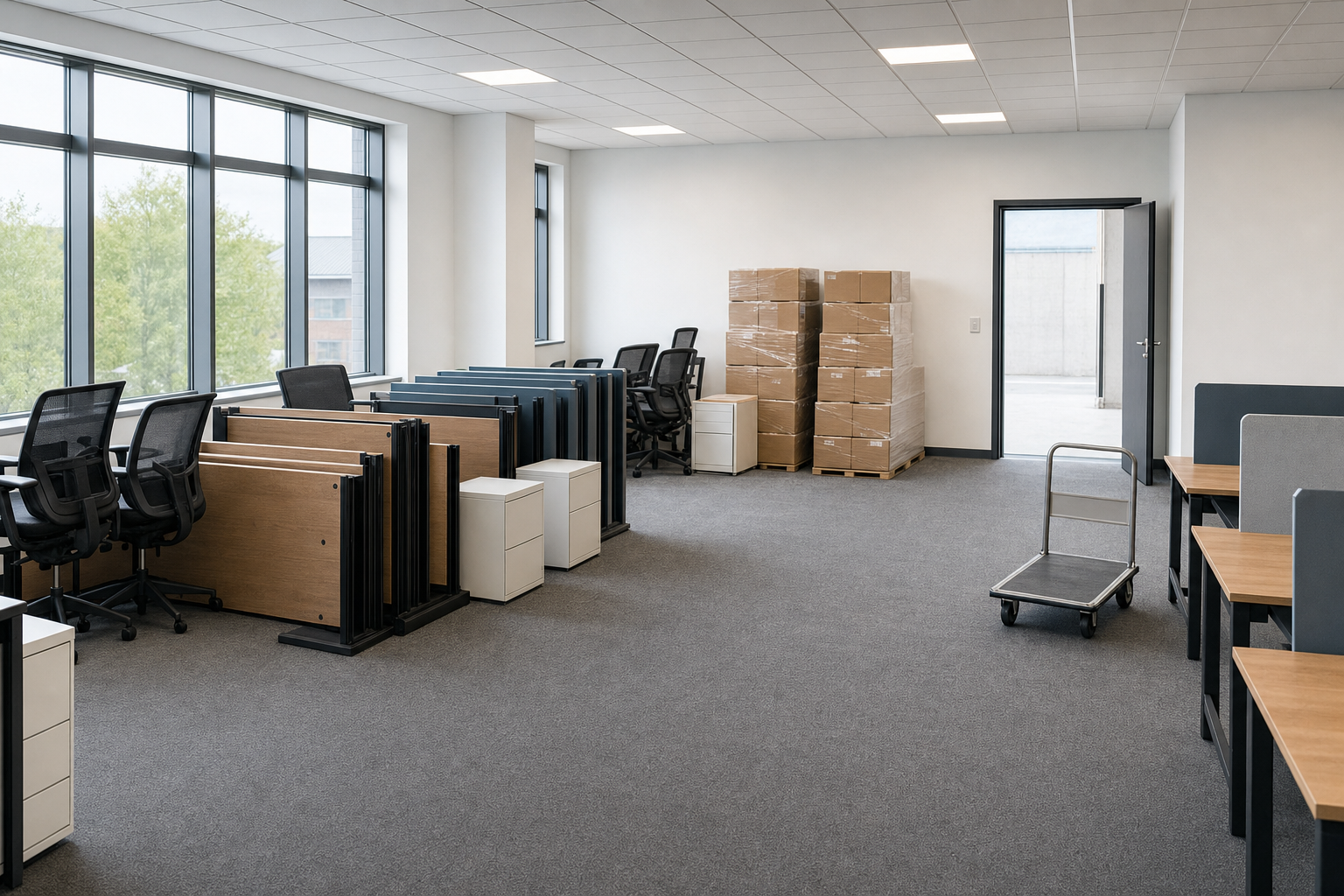
Commercial premises can fill up with furniture, shelving, stock, equipment and general contents that no longer belong in the space. That often happens during a relocation, closure, lease-end handover, refit or a wider reorganisation. With We Clear Homes, the first step is to understand what stays with the business and what is to be removed, so the clearance supports the next use of the premises rather than getting in its way. We plan around the scale of the site, the type of contents and how the building can be accessed.

Planned for access, restrictions and retained assets
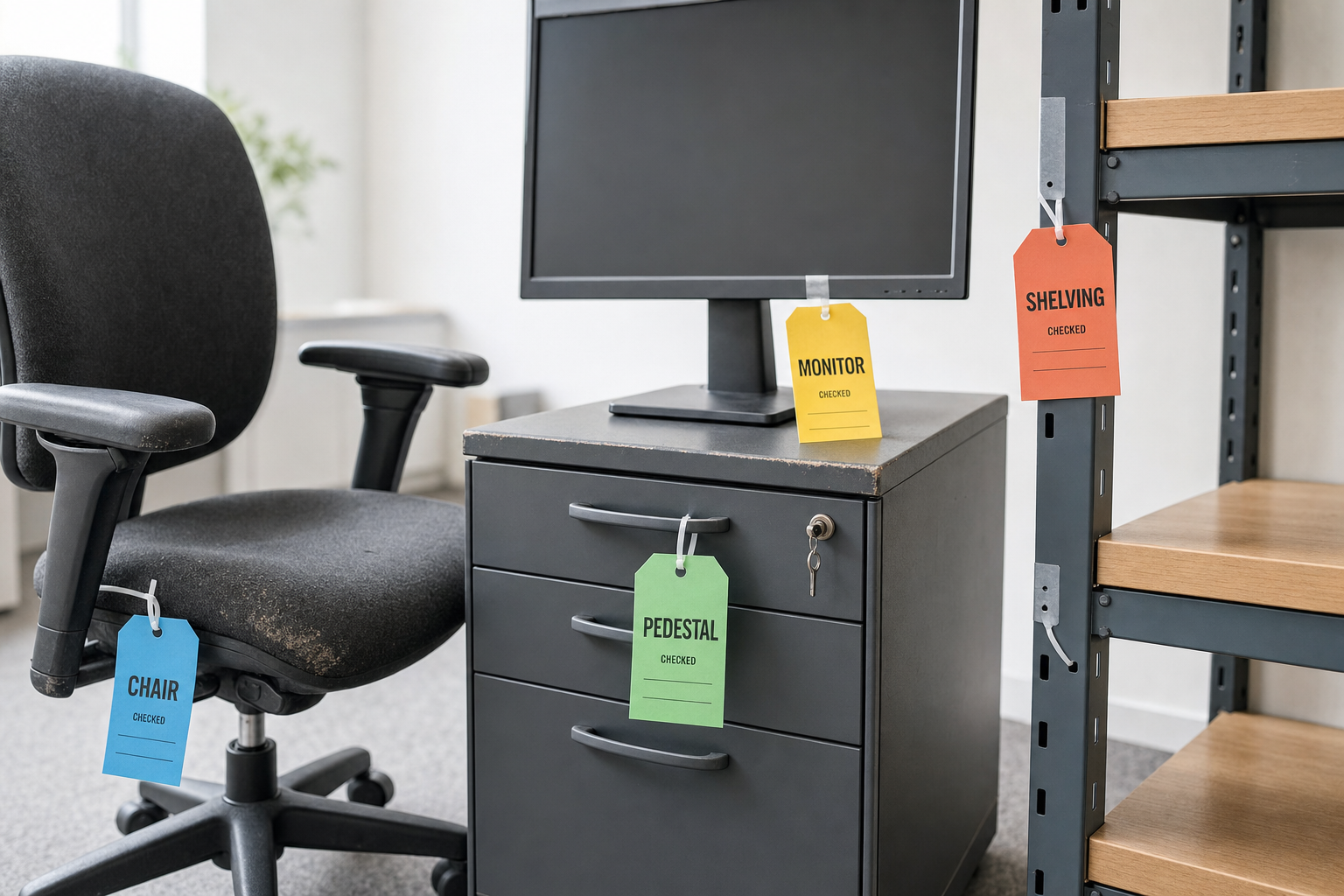
Loading access, floor level, internal movement routes, operational restrictions and bulky contents all affect how a commercial clearance should be carried out. We use that information to build a clear job plan before work begins. If there are items, records or equipment that must stay on site, these need marking clearly from the outset. The result is a more orderly visit that leaves the premises accessible for landlords, incoming occupiers, fit-out teams or property agents.
Frequently asked questions
What kinds of business premises can we help with?
We work on commercial properties containing furniture, shelving, stock, equipment and accumulated general contents. That may be a business unit, office-based premises or a broader commercial site that needs clearing for relocation, closure, refit or lease-end handover.
What should be marked before the clearance starts?
Anything that remains part of the business should be clearly identified before the visit. That may include active equipment, retained stock, business records, important paperwork or furniture that is staying. Clear marking at the outset keeps the clearance controlled and avoids unnecessary disruption.
What affects the plan for a commercial clearance?
The main factors are loading access, floor level, how contents move through the premises, any building or operational restrictions, the type and volume of items involved and whether bulky contents need extra planning. These points shape how the site is approached and quoted.